
WHAT IS DIRECT TAX
Understanding Direct Tax in India: A Simple Guide
What is Direct Tax?
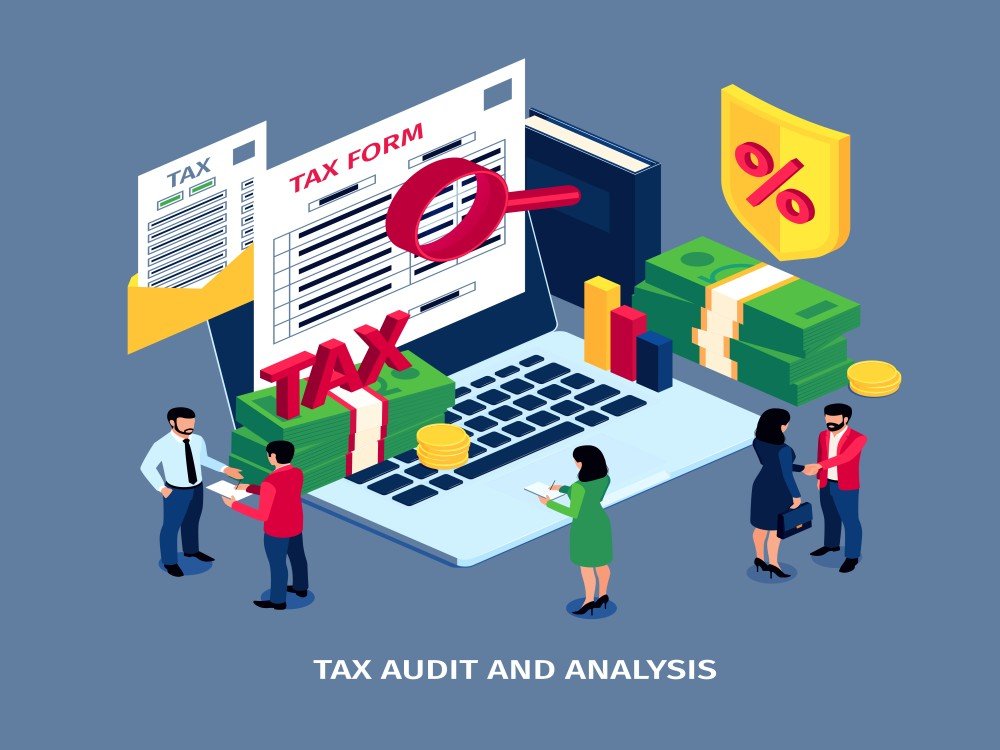
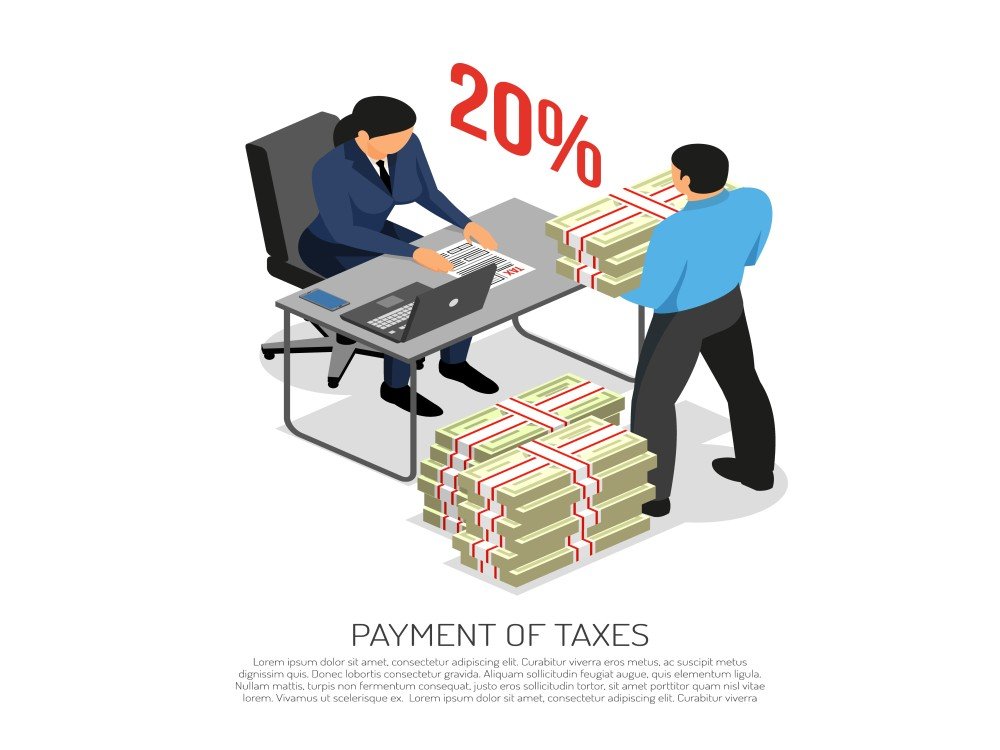
Direct Tax is a type of tax that is paid directly by an individual or organization to the government. The burden of this tax cannot be transferred to another person.
In India, direct taxes are administered and collected by the Income Tax Department under the Government of India.
Types of Direct Taxes in India
1. Income Tax
Income Tax is the tax imposed on the income earned by individuals, businesses, and other entities.
Sources of income include:
Salary income
Income from business or profession
Income from house property
Capital gains
Income from other sources
2. Corporate Tax
Corporate Tax is the tax levied on the profits earned by companies.
It applies to:
Domestic companies
Foreign companies operating in India
3. Capital Gains Tax
Capital Gains Tax is charged on the profit earned from selling capital assets such as property, shares, or mutual funds.
There are two types of capital gains:
Short-Term Capital Gains (STCG)
Long-Term Capital Gains (LTCG)
4. Securities Transaction Tax (STT)
Securities Transaction Tax is a tax charged on the purchase and sale of securities traded on stock exchanges.
Importance of Direct Tax
Direct taxes play a crucial role in the country's economic development. They help the government generate revenue to fund:
Infrastructure development
Public healthcare
Education
Defense and national security
Benefits of Paying Direct Tax
Paying direct taxes provides several benefits, such as:
Maintaining legal compliance
Easier approval for loans and visas
Building financial credibility
Avoiding penalties and legal issues
Conclusion
The direct tax system is an essential part of India's financial structure. Every taxpayer should file their taxes accurately and on time to stay compliant with the law and avoid penalties.
Recent Posts